The application of knowledge, skills, tools and techniques to meet a set of requirements.
Projects have a defined desired outcome, a scope and resources, a beginning and an end.Managing a project involves applying the right tools, techniques, team members and skills to achieve the requirements of the project. Project success typically lies in the way they are organised, scheduled, and how tasks are assigned and communicated. Projects generally have structured budgets and time frames. It is important to have some knowledge and experience of project management skills, since in most organisations, all employees will be involved in a project at some stage, even if they aren't a project manager. Research shows that having even a basic knowledge of project planning and project management approaches helps people to take a more active role in the process and to value their role in the big picture.
Project management flows through initiation, planning, executing, monitoring, controlling and culminates in closing. As they are finite in nature, project usually bring together people with diverse skills sets that often haven’t worked together before.This brings the need for keen human resource management skills to a project. brings a unique focus shaped by the goals, resources and schedule of each project. Other skills vital for successful project management include time and scope management. Project managers must be well versed in risk and stakeholder management.
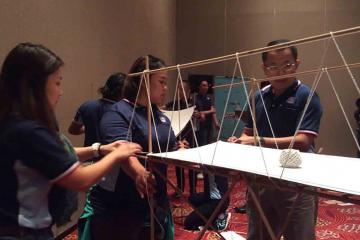
Experiential learning games and team building programs enable people to experience first hand the multi-faceted aspects of a project, such as working to deadlines, roles & responsibilities, scope creep, and managing change etc. They are fun and challenging which creates a memorable experience for all involved.
Look at this selection of related popular programs. Need help in deciding? Looking for something else?