Recognise employees, show appreciation, celebrate the successful completion of a project!
For a growing number of organisations, introducing a compensation scheme that rewards employees for successful teamwork provides great synergy with their aspirational goals. That said, rewarding a team financially is not the only option. Research suggests that the key motivator for employee performance is recognition of a task well done. Personnel demonstrate a greater affinity with leaders who acknowledge their hard work rather than only offering feedback when they have done something wrong! By understanding what motivates the individuals in your team, you can introduce a system that really will make each team member feel valued and appreciated. Whether your reward budget is large or small, a little creativity in your thinking can go a long way. Examples of tangible rewards that could be achieved quickly and easily with minimal budget include, thank you notes, a voucher, an extra-long lunch break or finishing early for the day.
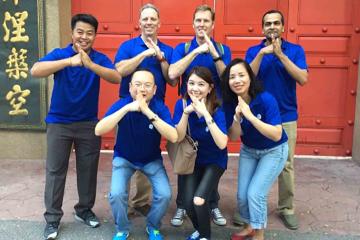
Fun and engaging team building activities which highlight collaboration and team spirit are proven popular rewards and what more, they create lasting memories with valuable team learning that can be built on going forward. Teambuilding activities and off-site events as a reward however, must be meaningful and well-conceived.
Look at this selection of related popular programs. Need help in deciding? Looking for something else?