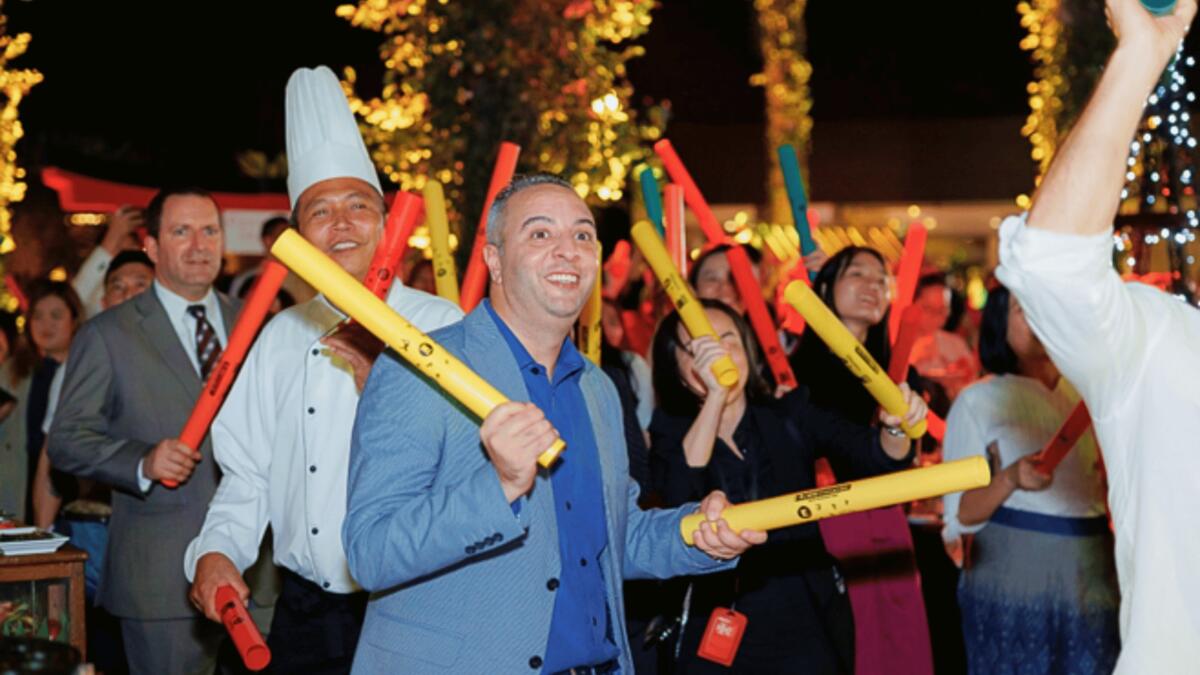
After a recent discussion with one of our partners, I found myself reflecting on something I’ve noticed over the years at Asia Ability. We’ve supported so many fam trips and MICE showcases with fantastic venues across the region, and somewhere along the way I’ve picked up a pretty clear sense of what works... and just as importantly, what doesn’t.
In the world of MICE (Meetings, Incentives, Conferences and Exhibitions), hosting a showcase can seem deceptively simple. Invite corporate clients, pour a few drinks, deliver a presentation, walk them through the venue. Job done.
But the real question I keep coming back to is: what will they actually remember the next day?
Today’s corporate buyers aren’t just looking for space; they’re looking for partners who can help them create experiences that their own audiences will talk about. The best MICE showcases understand this shift and focus less on “showing the venue” and more on “proving the experience.”
So, based on what I’ve seen work (and not work) over the years, here are a few key ingredients.
1. Build the Networking Effect
One of the strongest patterns I’ve noticed at successful showcases is that the real value rarely happens on stage. The MICE industry runs on relationships. Planners, agencies, DMCs, suppliers and venues all benefit from stronger networks, and a good showcase should actively create those connections.
The best events already have networking carefully built in. Whether it’s structured introductions, shared activities or clever seating dynamics, the goal is simple: make it easy for people to connect meaningfully. From experience at Asia Ability-supported events, I can tell you that what attendees talk about afterwards is rarely the presentation, but the person they met over coffee who became a future collaborator.
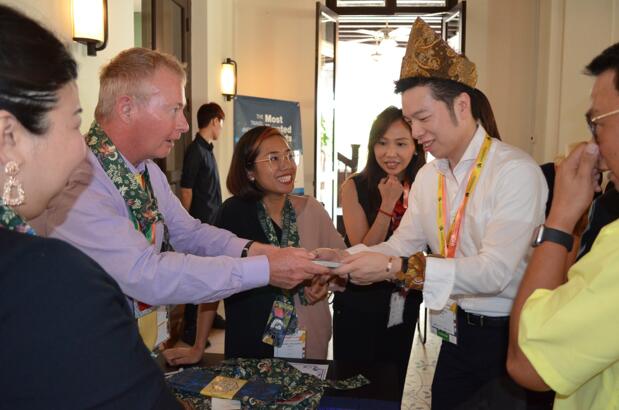
Design networking into the experience rather than leaving valuable connections to chance.
2. Showcase What Makes You Different
A common mistake I’ve seen is the “let’s show everything” approach. But attendees don’t need a full technical tour of every room. They need to understand why your venue is different. Every venue has its strengths: location, service culture, design, sustainability, tech, or sheer flexibility. The most effective showcases bring these to life. The best ones I’ve been involved in through Asia Ability are highly intentional. They’re designed around the kinds of events the venue actually wants to attract. Because ultimately, people don’t buy meeting rooms. They buy outcomes. They want to picture their gala dinner, leadership retreat, or product launch taking place there.
3. Go Beyond Cocktails and Speeches
Let’s be honest, most corporate guests have attended enough “welcome drink + speech + canapés” evenings to last a lifetime. And while there’s nothing wrong with that format, it rarely creates lasting impact. The showcases that stand out are the ones that surprise people. And no, that doesn’t always mean bigger budgets. In fact, some of the most memorable experiences I’ve had were simple yet clever: interactive food stations, behind-the-scenes access, hands-on challenges, and cultural storytelling woven into the evening.
This is also where we’re fortunate at Asia Ability to be part of the Catalyst Global teambuilding network. Being connected to a worldwide community of team building specialists gives us access to what is probably the largest and continually evolving collection of team activities. New ideas and experiences are constantly being developed and shared across the network, which means we can keep bringing something fresh to the table rather than reaching for the same familiar activities every time.
That variety also gives us the freedom to find an experience that actually fits the venue and the audience, rather than trying to squeeze every event into the same formula. Because what matters is authenticity. The experience should feel like the venue, not a generic event template.
If guests can’t experience it anywhere else, you’re on the right track.
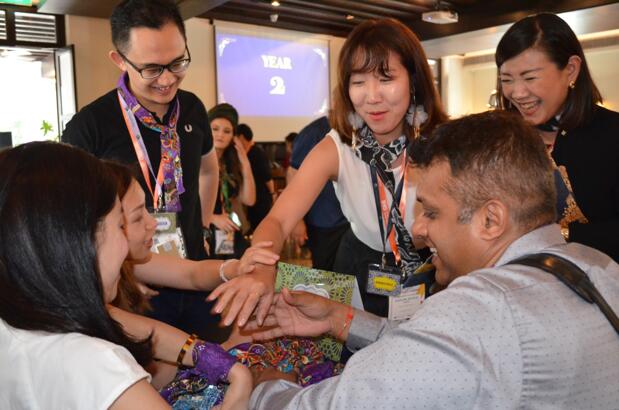
Hands-on activities turn guests from spectators into participants and give them something to talk about.
4. Turn Passive Guests into Active Participants
One of the biggest challenges in any showcase is attention. People are busy, distracted, and constantly half-thinking about emails. So, if your audience is passive, you’ve already lost them. The strongest MICE showcases I’ve seen (and helped deliver) flip this completely. Attendees aren’t just watching; they’re doing.
They’re discussing, voting, building, testing, contributing. They’re part of the experience, not just observers. This doesn’t just increase engagement; it also demonstrates how the venue can host more dynamic, interactive events for their own clients. In a way, the showcase becomes the proof.
The Takeaway
If there’s one thing I’ve learned from years of supporting fam trips and showcases with Asia Ability partners, it’s that a great MICE showcase isn’t about selling a venue. It’s about demonstrating how that venue helps create connection, experience, and impact.
When you get the networking right, tailor the experience, move beyond predictable formats, and turn guests into participants, something shifts. The venue stops being “a place.” It becomes a partner. And that’s when a showcase stops being an event people attend and becomes one they remember.
If you’re planning your next MICE showcase, make it one worth remembering. Let’s create something interactive together. Get in touch


